Missing Teeth Can Affect the Way You Eat, Smile, and Live
Losing a tooth can feel overwhelming, especially when it changes the way your smile looks or the way your bite feels. A missing tooth may make it harder to chew comfortably, may affect speech, and can place additional stress on the teeth that remain. Over time, the surrounding teeth may begin to shift, the bite may change, and the jawbone in the area may begin to lose stimulation.
Dental implants are designed to replace missing teeth in a way that looks, feels, and functions more like natural teeth. An implant is placed into the jawbone to act as an artificial tooth root, and once it heals, it can support a custom crown, bridge, or full-arch restoration depending on the patient's needs.
At Vikara Dentistry, dental implant treatment is planned with careful attention to health, function, esthetics, bone support, gum stability, and long-term maintenance. Our goal is not only to replace what is missing, but to rebuild a smile that feels stable, healthy, and natural.
Our philosophy is simple:
Replace the missing tooth, protect the foundation, and design the restoration to belong naturally in the patient's smile.
What Are Dental Implants?
A dental implant is a small biocompatible post that is placed into the jawbone where a tooth is missing. The implant acts as a stable foundation for a replacement tooth. After healing, the implant can be restored with a dental crown, an implant-supported bridge, or a full-arch prosthesis.
Unlike a traditional removable denture, an implant is anchored in the jaw. Unlike a traditional bridge, a single implant can often replace a tooth without relying on the neighboring teeth for support. This makes implants an important option for patients who want a stable, long-term solution for missing teeth.
What Problems Can Dental Implants Help Correct?
Dental implants may be used to replace one tooth, multiple teeth, or a full arch of teeth. They can help patients who are missing teeth due to cavities, gum disease, trauma, infection, failed dental work, or long-term tooth wear.
- One missing tooth that affects chewing, speech, or smile appearance
- Several missing teeth in one area of the mouth
- Missing back teeth that reduce chewing support
- Loose or uncomfortable dentures
- Tooth loss related to gum disease or infection
- Bone loss that requires grafting before implant placement
- A desire for a more secure, natural-feeling tooth replacement option
The Vikara Difference
Dental implant treatment requires more than placing an implant and attaching a tooth. The best results begin with diagnosis, planning, and a clear understanding of the surrounding bone, gums, bite, and smile design. At Vikara Dentistry, we evaluate the entire foundation before recommending treatment.
Comprehensive Implant Planning
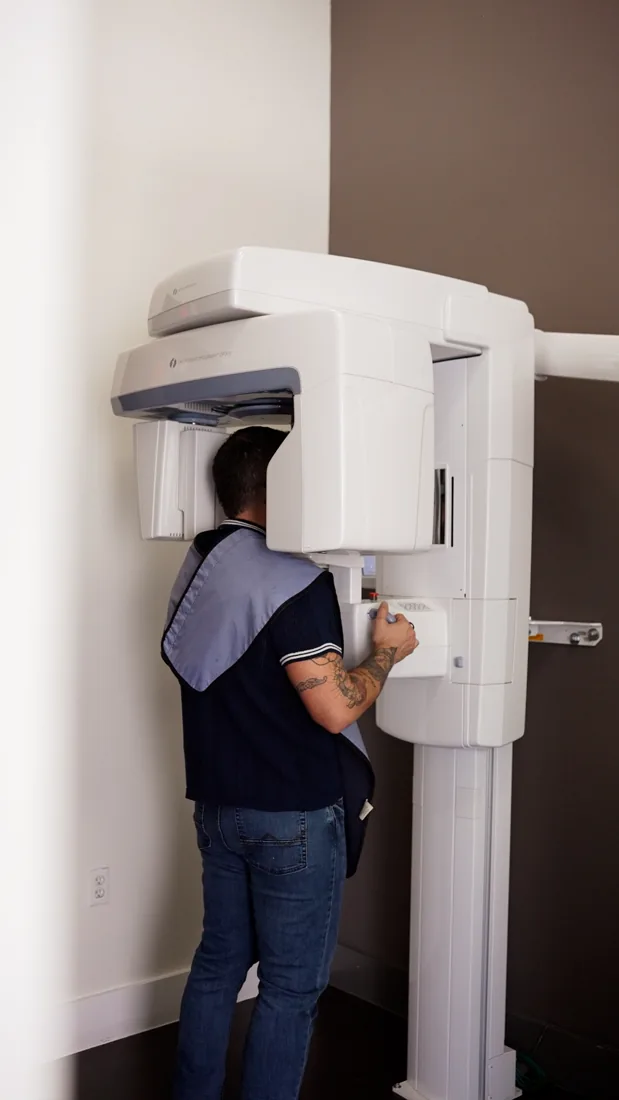
Your implant evaluation may include a clinical examination, digital imaging, bite evaluation, periodontal assessment, medical history review, and a discussion of your goals. When needed, CBCT imaging may be used to evaluate bone volume, sinus position, nerve location, and implant planning considerations.
Aesthetic and Functional Restoration
A dental implant must function well, but it should also look like it belongs in the smile. We consider tooth shape, shade, gum contours, smile line, bite forces, and neighboring teeth so the final restoration feels balanced and natural.
Gum and Bone Health First
Healthy bone and gum tissue are essential for implant success. If bone loss, gum disease, infection, or peri-implant risk factors are present, these concerns must be addressed before or during implant treatment. Bone grafting or a sinus lift may be recommended when there is not enough healthy bone to support an implant.
Who May Be a Candidate for Dental Implants?
Many adults with missing teeth may be candidates for dental implants, but candidacy depends on several factors. The most important considerations include bone support, gum health, medical history, oral hygiene, bite forces, and whether the patient can maintain the implant over time.
Some patients are ready for implant placement right away. Others may need preparatory care such as gum disease treatment, tooth extraction, bone grafting, sinus lift, or bite stabilization before implant treatment can begin. This does not mean implants are not possible. It simply means the foundation must be planned properly.
Types of Dental Implant Solutions
Single-Tooth Dental Implants
A single dental implant can replace one missing tooth with a custom implant crown. This may be recommended when the surrounding teeth are healthy and do not need to be prepared for a bridge.
Implant-Supported Bridges
When several teeth are missing in one area, implants can sometimes support a bridge. This can reduce the need for one implant per missing tooth while still providing a fixed, stable solution.
Implant-Supported Dentures
For patients with several or all missing teeth, implants may be used to help stabilize a denture or support a more fixed full-arch restoration. This can improve comfort, chewing strength, and confidence compared with traditional removable dentures.
What to Expect During Your Dental Implant Consultation
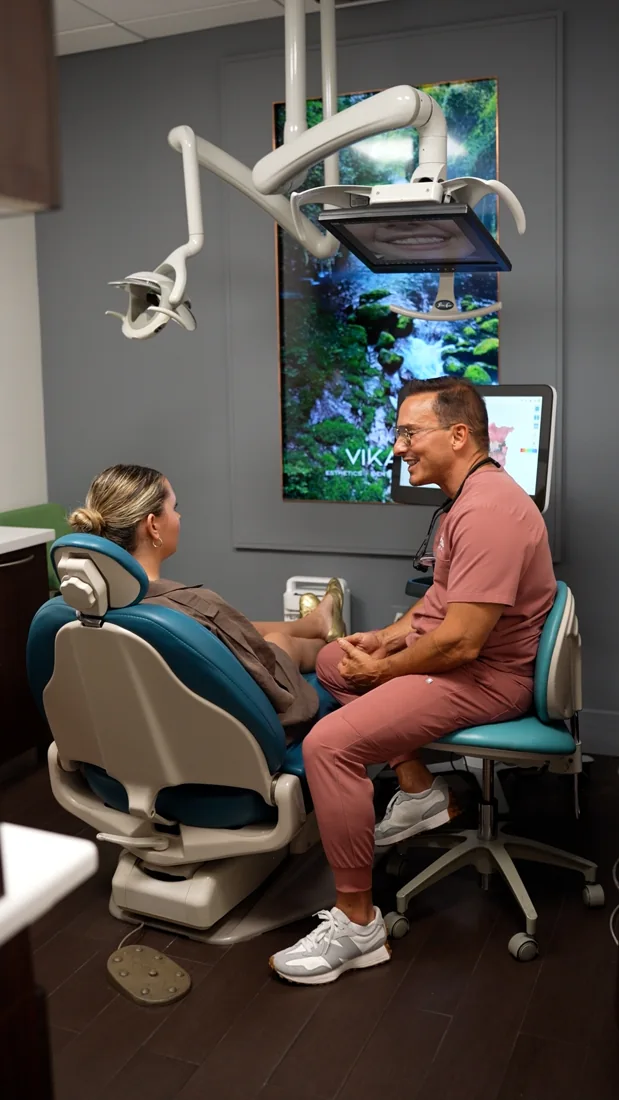
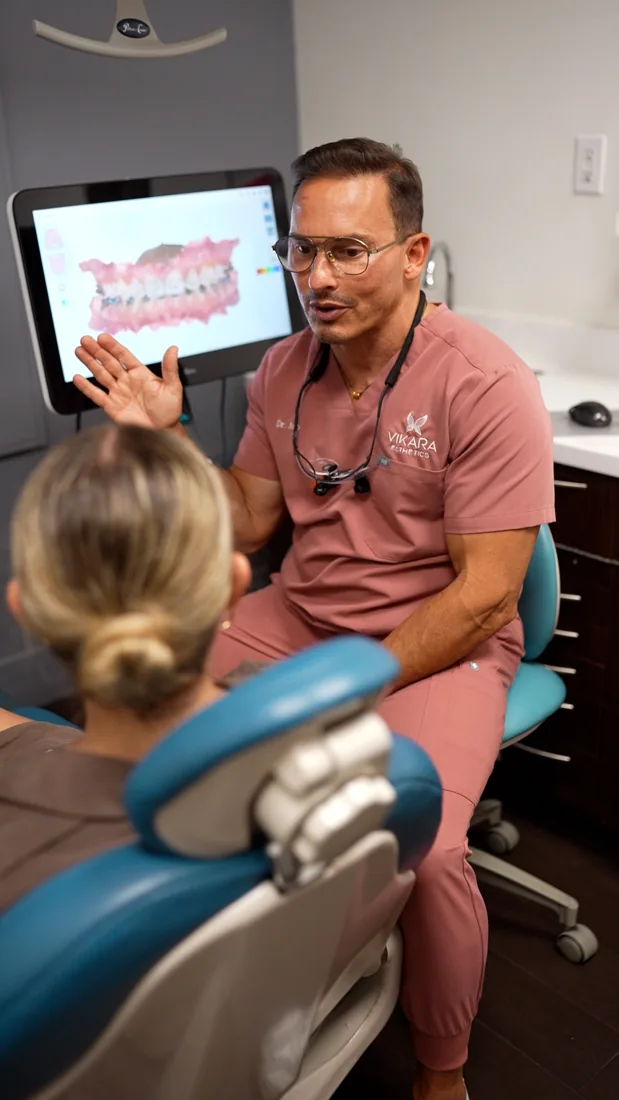
Your consultation is designed to answer three important questions: what is missing, what foundation remains, and what replacement option will best support your long-term health and goals. We will review your concerns, evaluate your mouth, discuss your medical history, and explain whether dental implants may be appropriate.
If implants are recommended, your treatment plan may include several phases. These may include removing a non-restorable tooth, preserving or rebuilding bone, placing the implant, allowing healing time, attaching an abutment, and designing the final restoration. The timing depends on your individual anatomy and the type of treatment needed.
Recovery and Maintenance
Implant healing varies by patient and by procedure. Some patients have relatively simple treatment, while others require grafting or staged care. After implant placement, it is important to follow all post-treatment instructions, maintain excellent hygiene, and attend follow-up appointments so healing can be monitored.
Long-term implant success depends on maintenance. Implants cannot get cavities, but the gum and bone around implants can become inflamed or infected. Regular cleanings, home care, bite monitoring, and periodontal maintenance when needed are essential to protect your investment.
FAQ about Dental Implants
Do dental implants look natural?
Dental implants can look very natural when they are carefully planned and restored. The visible tooth is custom-designed to match the surrounding teeth, smile, and gum contours.
Are dental implants painful?
Implant treatment is typically performed with local anesthesia and comfort-focused techniques. Some soreness or swelling may occur afterward, especially when grafting is involved, but most patients find recovery manageable.
How long do dental implants last?
Dental implants are designed as a long-term tooth replacement option, but longevity depends on health, hygiene, bite forces, maintenance, and regular dental care.
Will I need bone grafting first?
Some patients have enough bone for implant placement, while others need bone grafting or a sinus lift to create a stable foundation. This is determined during your evaluation.
Can I replace several teeth with implants?
Yes. Implants can replace one tooth, several teeth, or support full-arch restorations depending on your needs and anatomy.
Continue Your Tooth Replacement Journey
Need More Bone Support?
Explore Bone Grafting or Sinus Lift to understand how the foundation for dental implants can be rebuilt when needed.
Comparing Alternatives?
Dental Bridges and Dentures & Partials may also be appropriate depending on your goals, health, budget, and timeline.
Restore Your Smile with Dental Implants
If you are missing one or more teeth, dental implants may help restore confidence, chewing ability, and long-term oral stability. Vikara Dentistry will help you understand your options and choose a treatment plan designed around your health and goals.
Call Vikara Dentistry at 305-572-1600 to schedule your consultation in Miami.